

Tool List
Carpentry | Year 1
Core Tools To Get Started
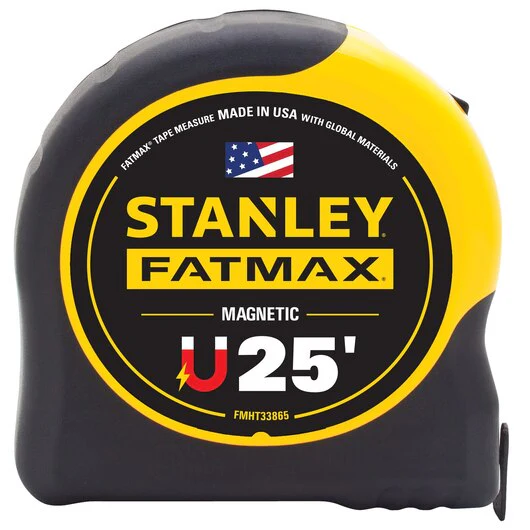
Tape Measure
Your most-used measuring tool. Measures lumber, room layouts, and framing dimensions.
Key Features
· 1” wide blade with a standout of 8’+
· Fractional/inch markings
· Locking mechanism and belt clip
Buying Tips
· Go for a sturdy, high-contrast blade.
· A magnetic hook adds convenience.
· Reinforced tip protects from drops.
Buying Tips
$10 – $35
Tool Type
Hand Tools
What Our Experts Say
“Lock the tape firmly, check twice before cutting, it’s your safety net on layout.”
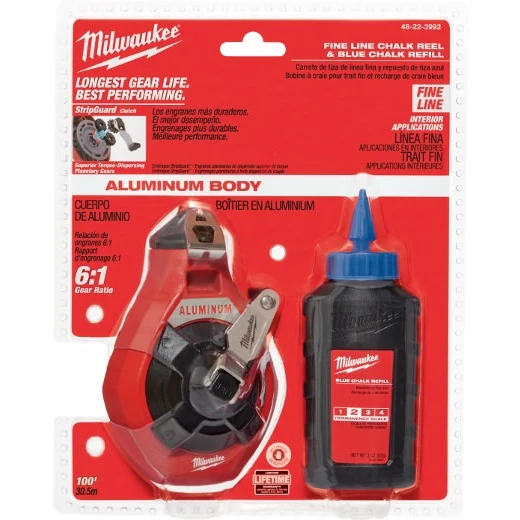
Chalk Box
A chalk box helps you snap clean, accurate lines on framing lumber, subfloors, drywall, and more. It’s a layout essential for framing and layout crews.
Key Features
· Durable case with high-capacity chalk reservoir
· Integrated line reel and handle
· Fast retraction gear systems
· Replaceable line and refillable chalk
Buying Tips
· Opt for a quick-wind model to save time.
· Choose bold-colored chalk (red or blue) based on visibility and permanence.
· Look for a leak-proof box to avoid a mess.
Buying Tips
$8 – $25
Tool Type
Hand Tools
What Our Experts Say
“Snap it tight every time; a loose line looks worse than no line at all.”
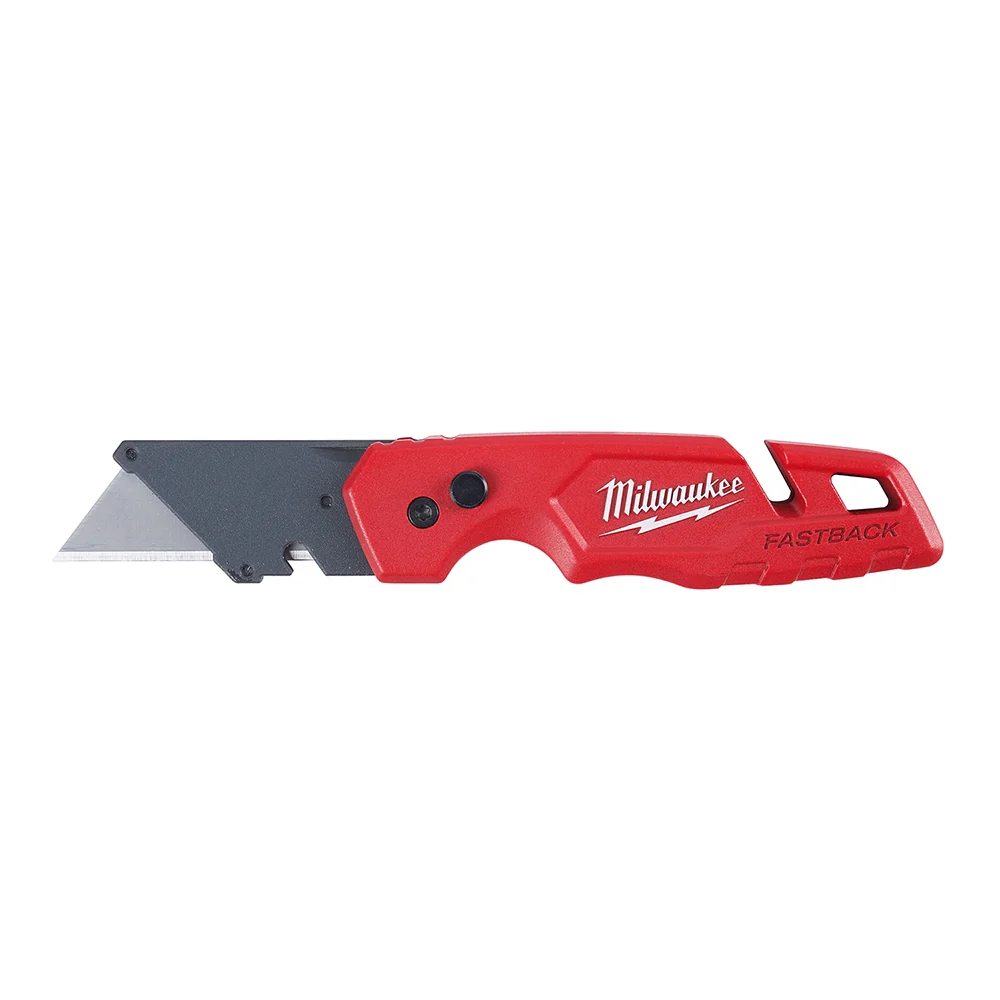
Utility Knife
A go-to for cutting drywall, insulation, sheathing, and packaging. Replaceable blades are essential.
Key Features
· Retractable or folding design
· Replaceable blades
· Rubber grip handle
Buying Tips
· Look for tool-free blade changes.
· Avoid bulky models, comfort is key.
· Keep extra blades in the handle or tool pouch.
Buying Tips
$10 – $35
Tool Type
Hand Tools
What Our Experts Say
“Replace blades often, a sharp knife is safer than a dull one.”
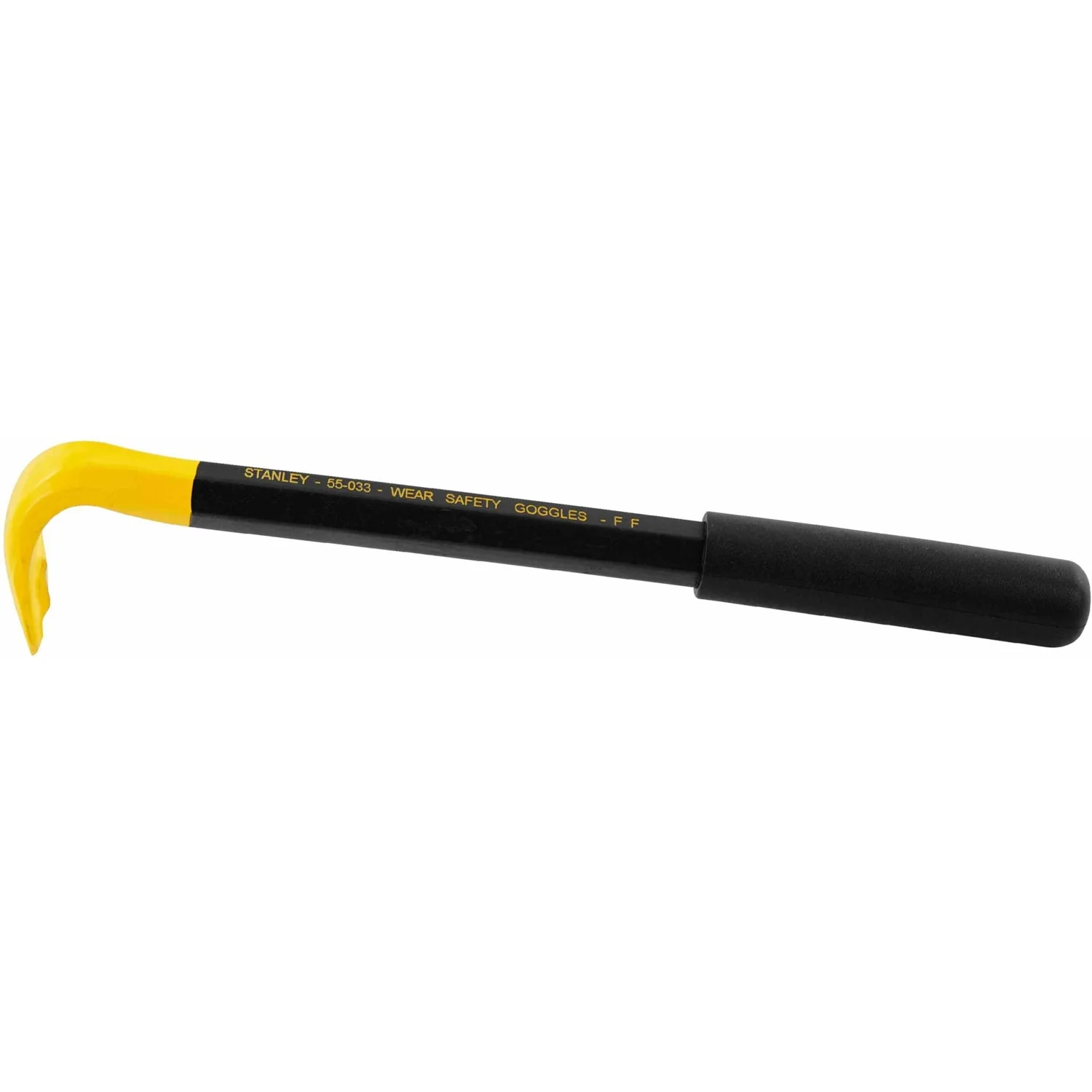
Cats Paw (Nail Puller)
The cat’s paw is your go-to for pulling buried or stubborn nails. Compact and tough, it's perfect for demo or correction work where speed and leverage matter.
Key Features
· Dual curved claw tips for digging and pulling
· Heat-treated steel to resist bending
· Tapered ends for minimal wood damage
· Usually 8”–12” in length
Buying Tips
· Choose a forged steel model; cheaper cast types may snap under stress.
· Thinner claws reduce wood damage when prying.
· Coated options resist rust and slide into wood better.
Buying Tips
$10 – $30
Tool Type
Demolition Tool
What Our Experts Say
“Slide it under carefully, let leverage do the work and avoid bending nails you might reuse.”
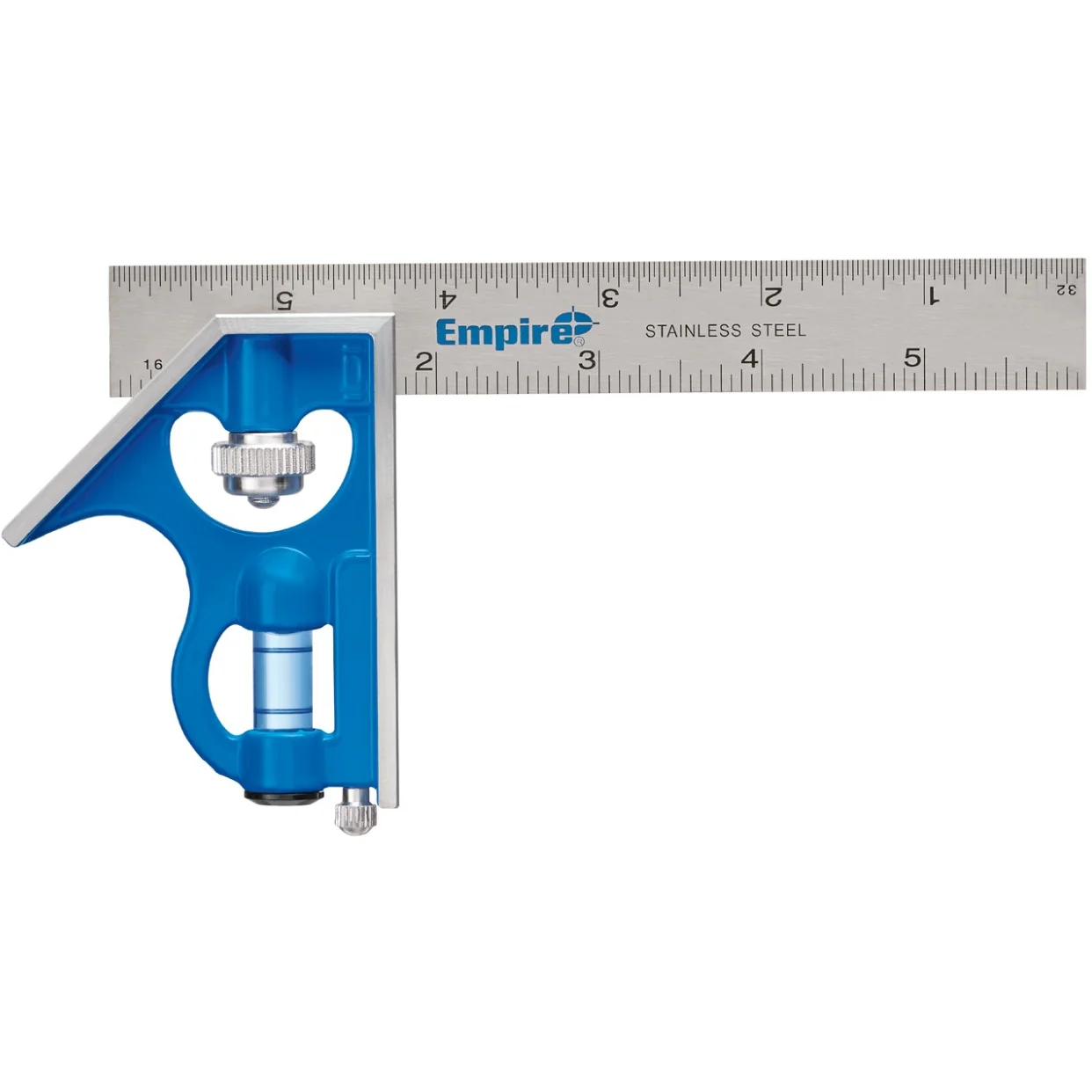
Combination Square
A combination square offers multiple layout tools in one: a ruler, 90° and 45° angle checker, depth gauge, and scribing tool. Crucial for layout, trim, and joinery work.
Key Features
· Stainless steel blade with etched measurements
· Sliding head with level vial
· Locking screw for blade adjustments
Integrated scribe pin
Buying Tips
· Look for etched, not printed, markings; they won’t wear off.
· A cast metal head offers durability over plastic.
· Precision is key. Check for square accuracy before use.
Buying Tips
$10 – $30
Tool Type
Measuring/Layout Tool
What Our Experts Say
“Check the blade for straightness before trusting any critical layout.”
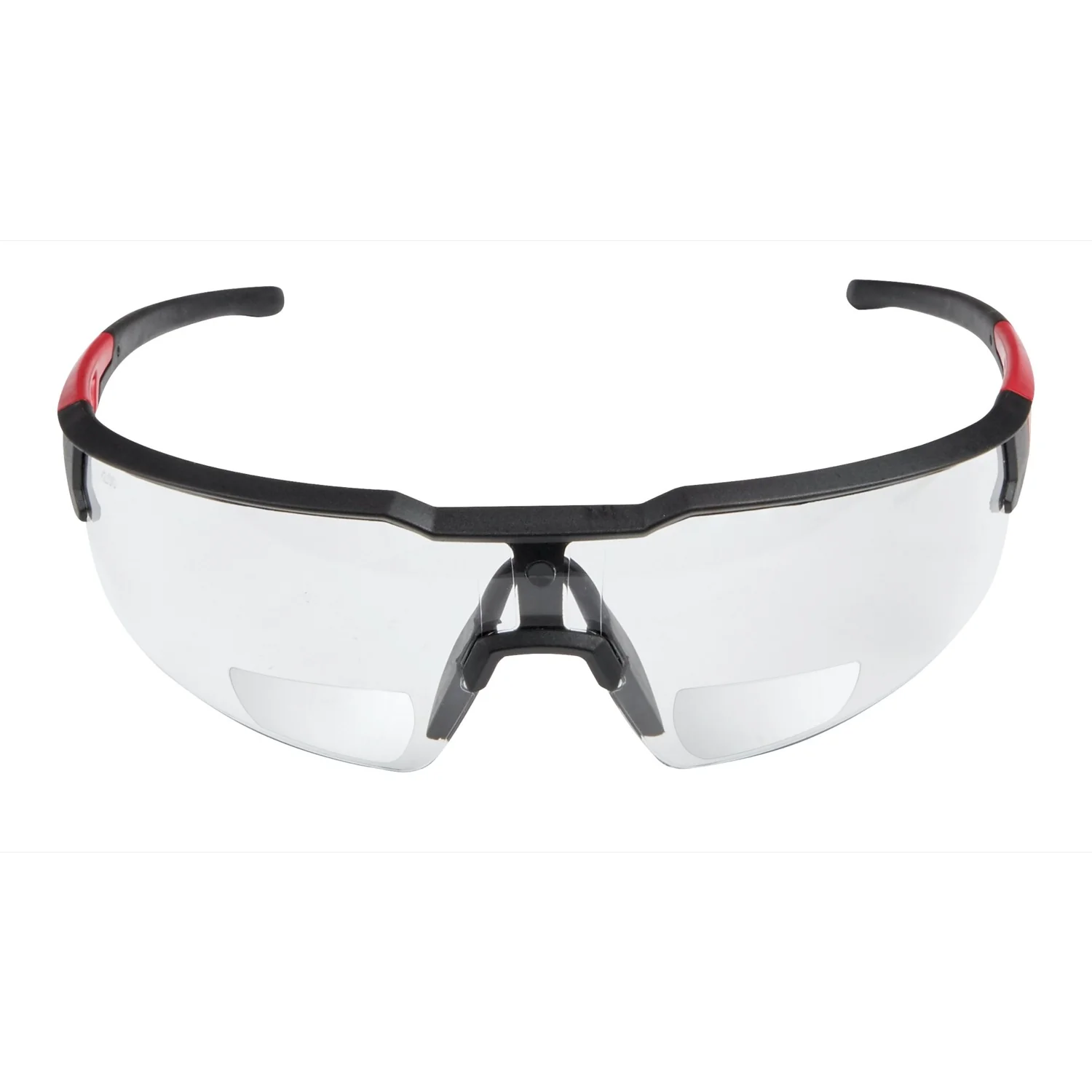
Safety Glasses
Protects your eyes from dust, debris, and impact, always ANSI-rated. Mandatory on most job sites.
Key Features
· ANSI Z87.1 rated impact protection
· Wraparound or side shields
· Anti-fog, scratch-resistant lenses
Buying Tips
· Choose a comfortable, lightweight pair you’ll wear all day.
· UV protection is ideal for outdoor use.
· Consider clear for indoors, tinted for outside.
Buying Tips
$5 – $20
Tool Type
PPE (Personal Protective Equipment)
What Our Experts Say
“Always wear them, even for small jobs; a tiny chip can take you out.”
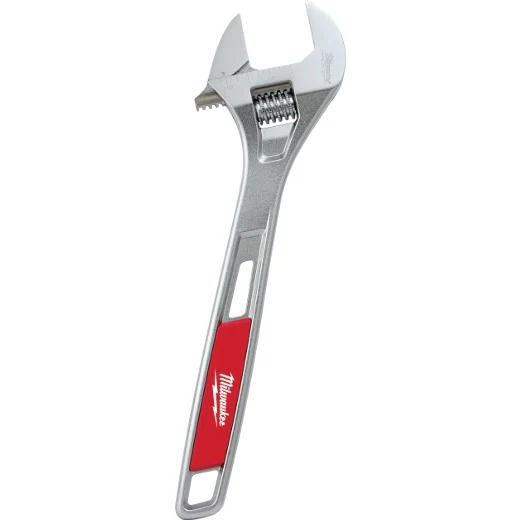
Adjustable Wrench (12”)
A staple in every carpenter's kit, the 12” adjustable wrench allows you to grip and turn nuts and bolts of varying sizes. Its movable jaw eliminates the need for a full wrench set on the job site.
Key Features
· 12” length offers ideal torque and reach
· Forged steel body for strength and durability
· Precision-machined jaws for a tight grip
· Knurled adjustment screw for smooth sizing
· Often chrome-plated to resist rust
Buying Tips
· Look for a wrench with laser-etched size markings for easy reference.
· Ensure the jaws stay parallel under pressure; poor wrenches will slip.
· A cushioned or rubber handle increases comfort for long days.
Buying Tips
$15 – $45
Tool Type
Hand Tools
What Our Experts Say
“Always grab the right size jaw opening before starting, or you’ll round off bolts.”
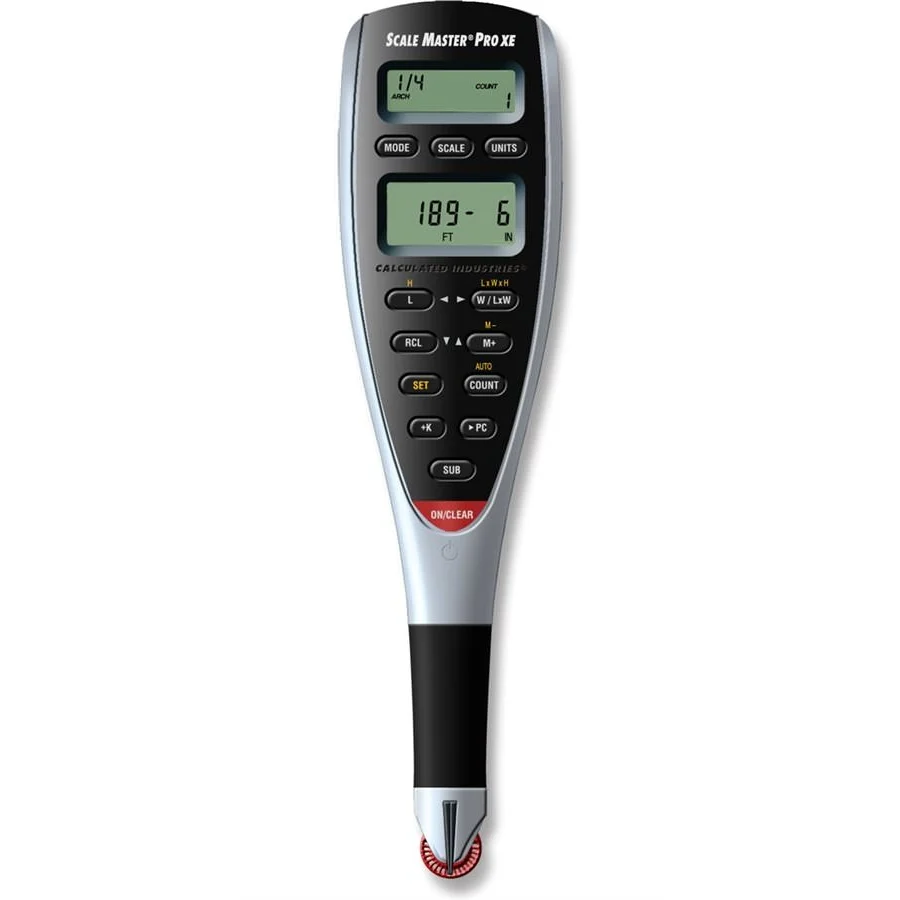
Calculator
Essential for quick math on the job, a reliable calculator helps you accurately measure angles, rise/run, square footage, and more. Many carpenters opt for construction-specific models.
Key Features
· Rugged casing for site use
· Fractional function for inches and feet
· Dedicated keys for stairs, roofs, and circles
· Solar and battery power combo
Buying Tips
· Choose a model designed for construction math; it will save hours.
· Look for large buttons and a backlit screen for easy use in low light.
· Protective casing or rubber bumpers are a bonus.
Buying Tips
$25 – $60
Tool Type
Measuring/Planning Tool
What Our Experts Say
“Double check your numbers, even if the calculator says it’s fine, mistakes happen fast.”
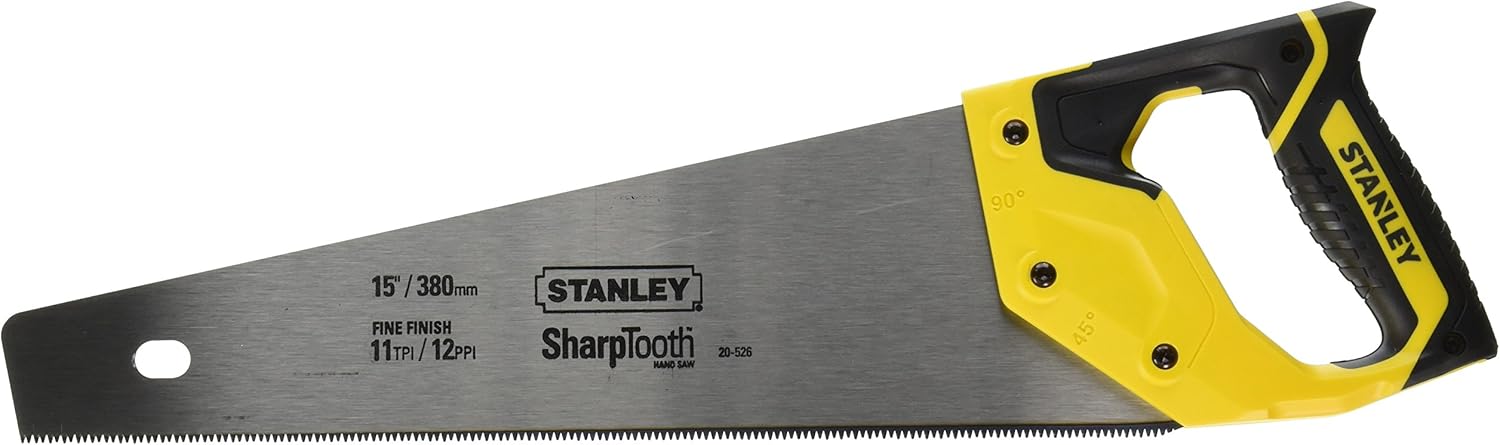
Crosscut Saw (8 pt)
Designed to make clean cuts across the grain of wood, the 8-point crosscut saw is a classic, hand-powered tool perfect for rough and finish cuts.
Key Features
· 8 teeth per inch (TPI) for smooth finish
· Comfortable hardwood or molded grip
· Induction-hardened teeth for durability
· Rigid steel blade to resist flex
Buying Tips
· TPI affects speed vs. smoothness: 8 is a good general balance.
· Go for a hard-point model for durability.
· Avoid blades that wobble or bend too easily.
Buying Tips
$15 – $40
Tool Type
Hand Saw / Cutting Tool
What Our Experts Say
“Keep it sharp and let the saw do the cutting, not your arms.”
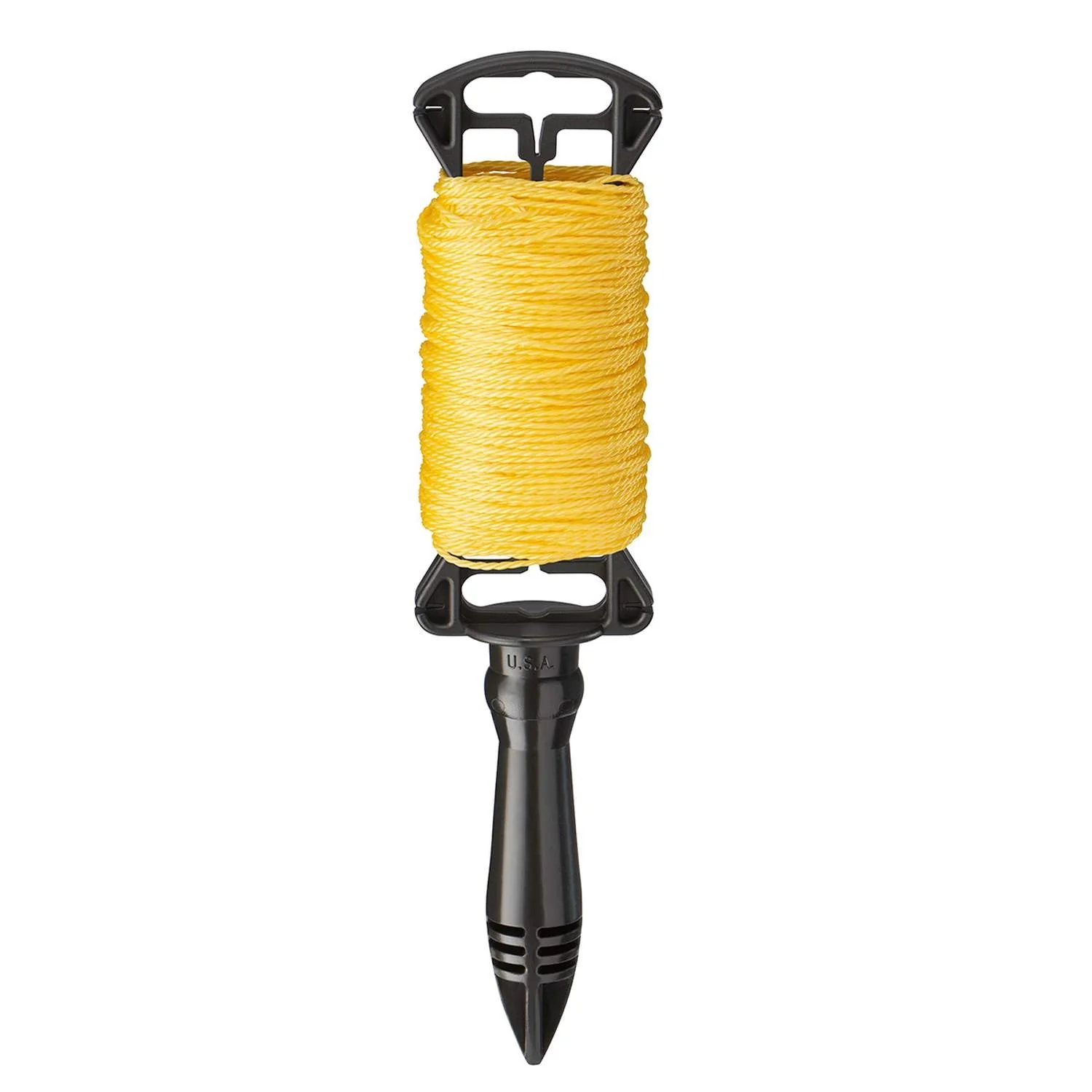
Dry Line (Braided)
Braided dry line is a strong, non-stretch string used to mark straight lines over long distances, ideal for laying foundations, framing decks, and general layout.
Key Features
· Braided nylon or polyester
· High visibility (usually neon-colored)
· Resistant to fray, UV, and moisture
· Sold on spools (100–500 ft)
Buying Tips
· Choose braided over twisted for better longevity and less stretch.
· Opt for bright colors for visibility.
· Consider UV-resistant lines for outdoor use.
Buying Tips
$5 – $15
Tool Type
Layout/String Tool
What Our Experts Say
“Coat it lightly with chalk and snap with confidence; repeat if needed.”
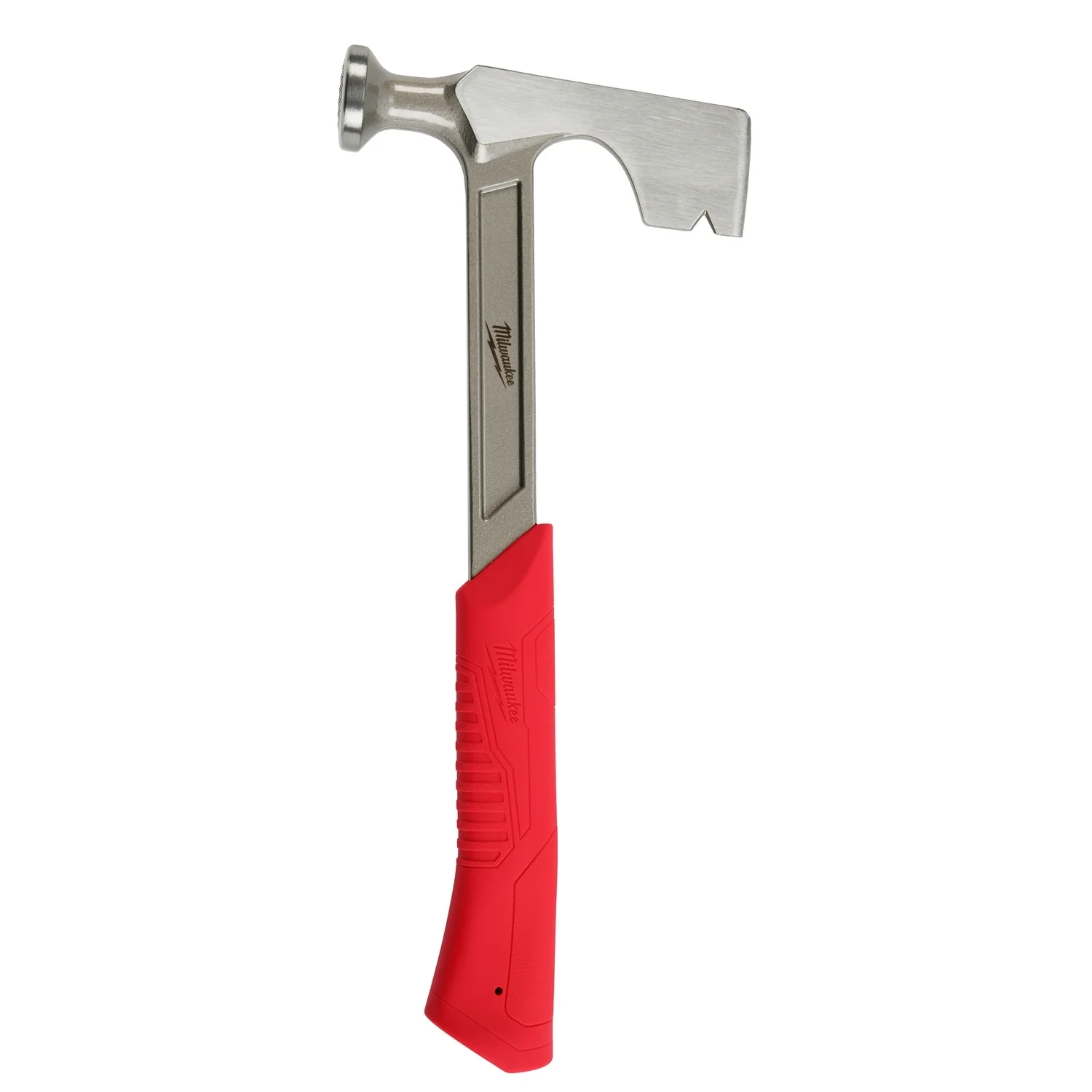
Drywall Hatchet or Horseshoe Hammer
This tool combines the functions of a hammer for driving drywall nails and a hatchet-style blade for scoring or trimming drywall board edges. It typically has a head with one side for hammering and one side as a thin blade to cut or shave drywall.
Key Features
· Durable one-piece forged or solid steel construction
· Milled hammer face for clean nail driving and reduced slippage
· Thin, sharp edge to score, trim, or cut drywall board edges
· Comfortable handle to reduce vibration and improve comfort
Buying Tips
· Choose lighter head for overhead use; heavier for driving power.
· Ensure the blade is sharp or replaceable for scoring/trimming.
· Look for a milled or textured face for good nail driving.
· Consider hardwood handle for tradition; fiberglass/composite for durability and reduced vibrations.
Buying Tips
$25 – $100
Tool Type
Hand Tool
What Our Experts Say
“Use the hatchet for both scoring and light tapping, it saves reaching for two tools.”
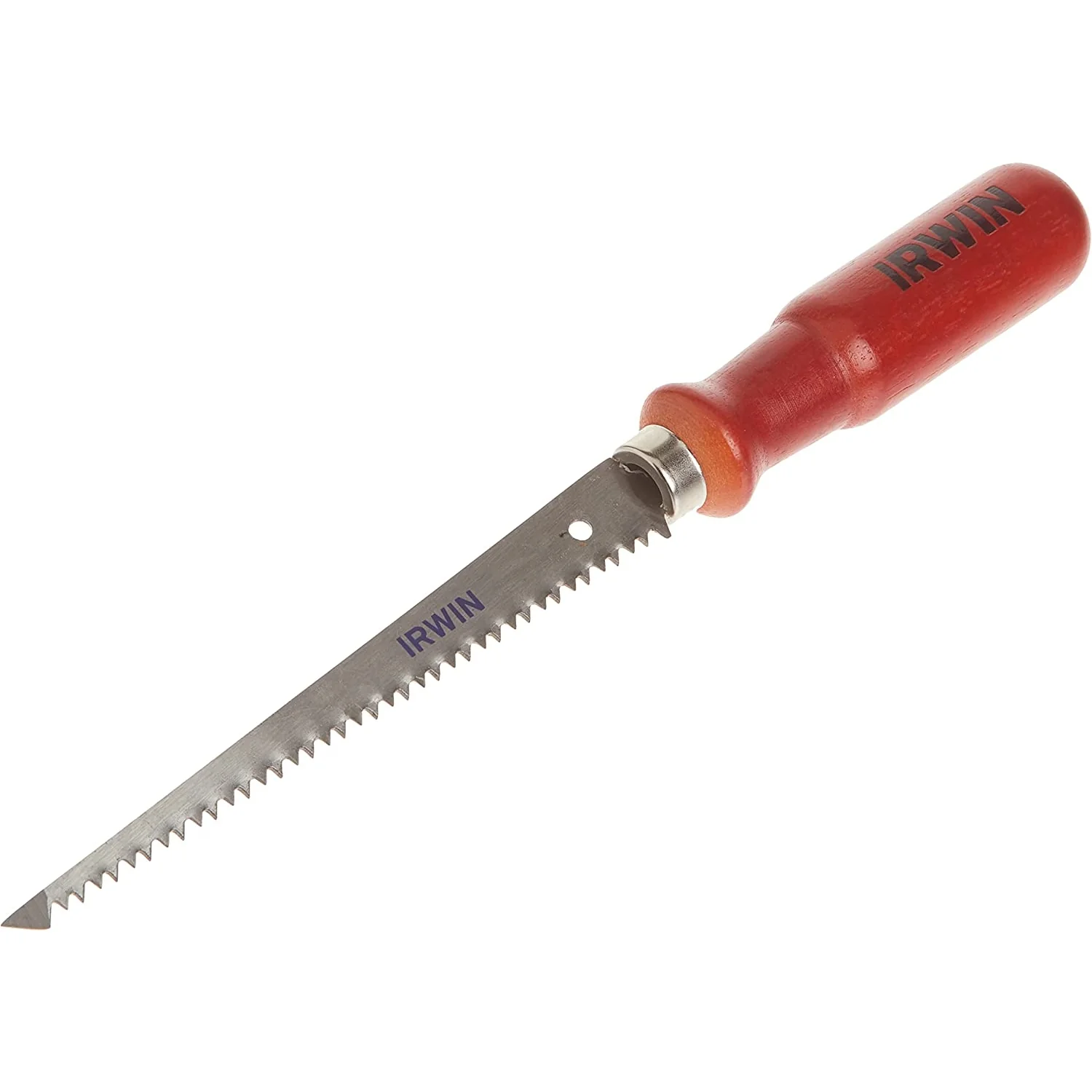
Drywall Jab Saw
Used to cut rough openings in drywall for outlets, pipes, and fixtures. Also called a keyhole saw.
Key Features
· Hardened teeth for cutting both push and pull
· Pointed tip for puncturing drywall
· Comfortable, grippy handle
· Compact design for tight spots
Buying Tips
· A sharper tip makes starting cuts easier.
· Avoid plastic blades; choose hardened steel.
· Consider a folding model for safety and portability.
Buying Tips
$7 – $20
Tool Type
Cutting Tool
What Our Experts Say
“Start small, then widen; you’ll avoid ripping the drywall in the wrong spot.”
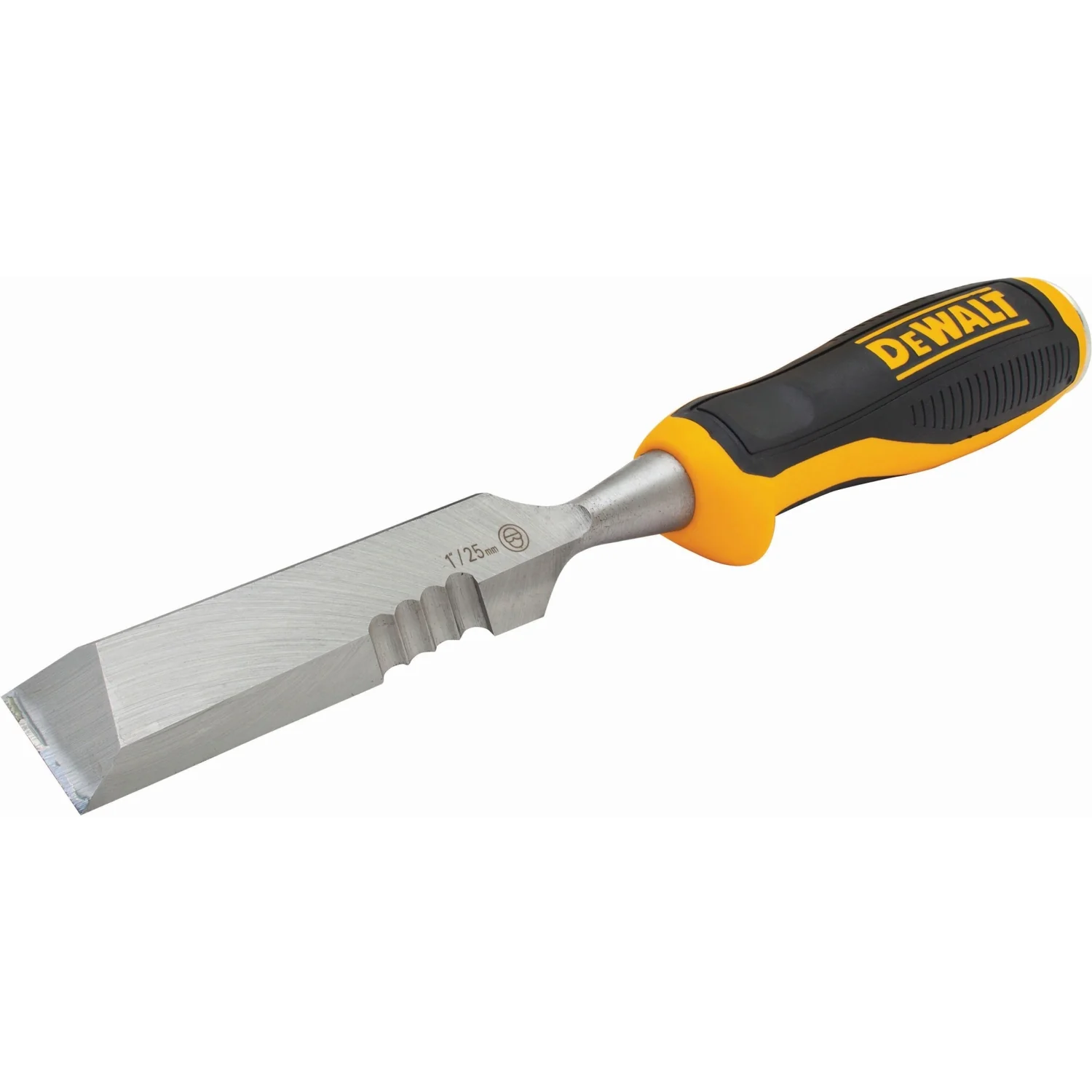
Flooring Chisel (rough)
A rough flooring chisel is designed to cut, lift, or remove wood flooring and trim during demolition or installation prep. It delivers maximum impact where precision isn’t critical.
Key Features
· Wide, heavy-duty blade (often 2"–3")
· Forged steel body with bevelled edge
· Shock-absorbing handle or grip
· Designed for use with a hammer or mallet
Buying Tips
· Choose a one-piece forged chisel for durability.
· Look for a comfortable grip to reduce hand fatigue.
· Avoid overly thin blades, they may bend or chip under heavy use.
Buying Tips
$10 – $25
Tool Type
Hand Tool
What Our Experts Say
“Rough cuts first, fine details later; a heavy chisel can tear softer wood if rushed.”
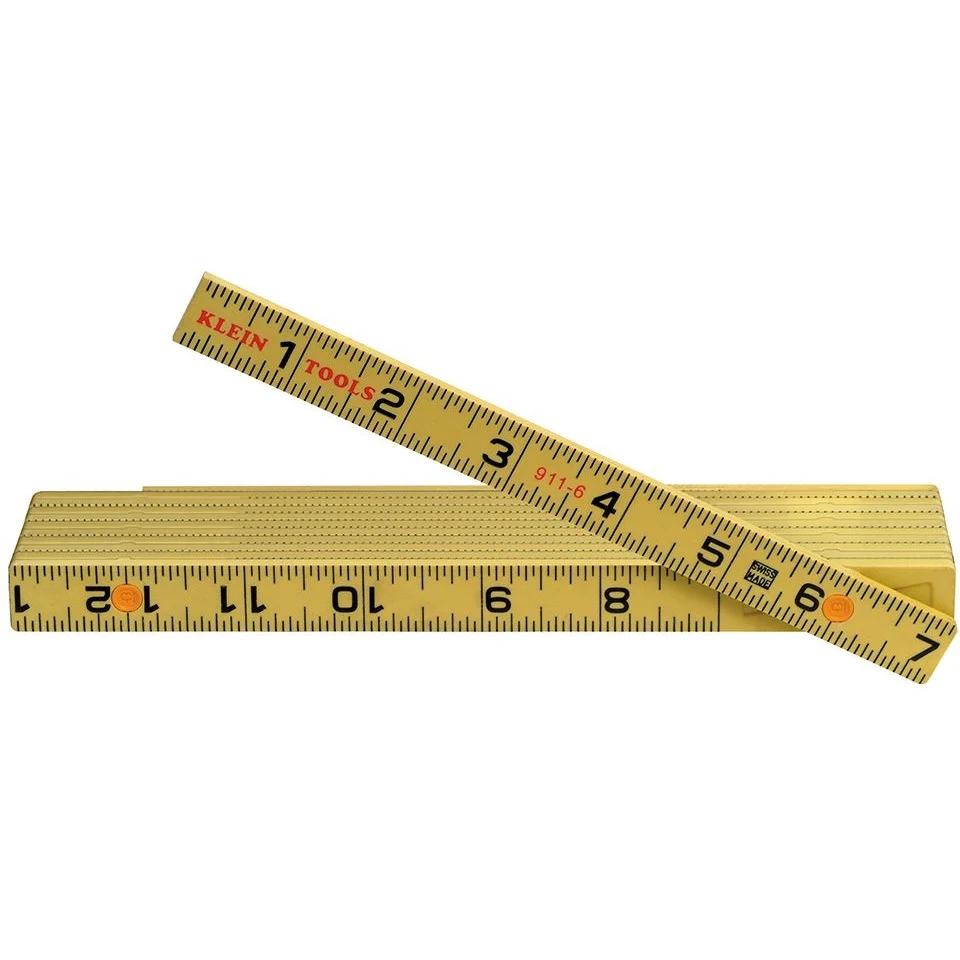
Folding Rule (6’ Engineers)
This traditional measuring tool folds into segments, making it compact while still offering a full 6' reach. Often preferred for layout and finish work.
Key Features
· 6-foot length in hinged sections
· Wood or composite material with metal joints
· Marked with engineer’s (decimal) scale
· Rigid enough for vertical measuring
Buying Tips
· Choose brass or hardened steel joints for smoother folding and longevity.
· Pick a clear, high-contrast scale for easy reading.
· Look for locking sections to prevent slop in measurements.
Buying Tips
$10 – $35
Tool Type
Measuring Tool
What Our Experts Say
“Keep it folded properly and check for warping; measurements are only as good as your rule.”
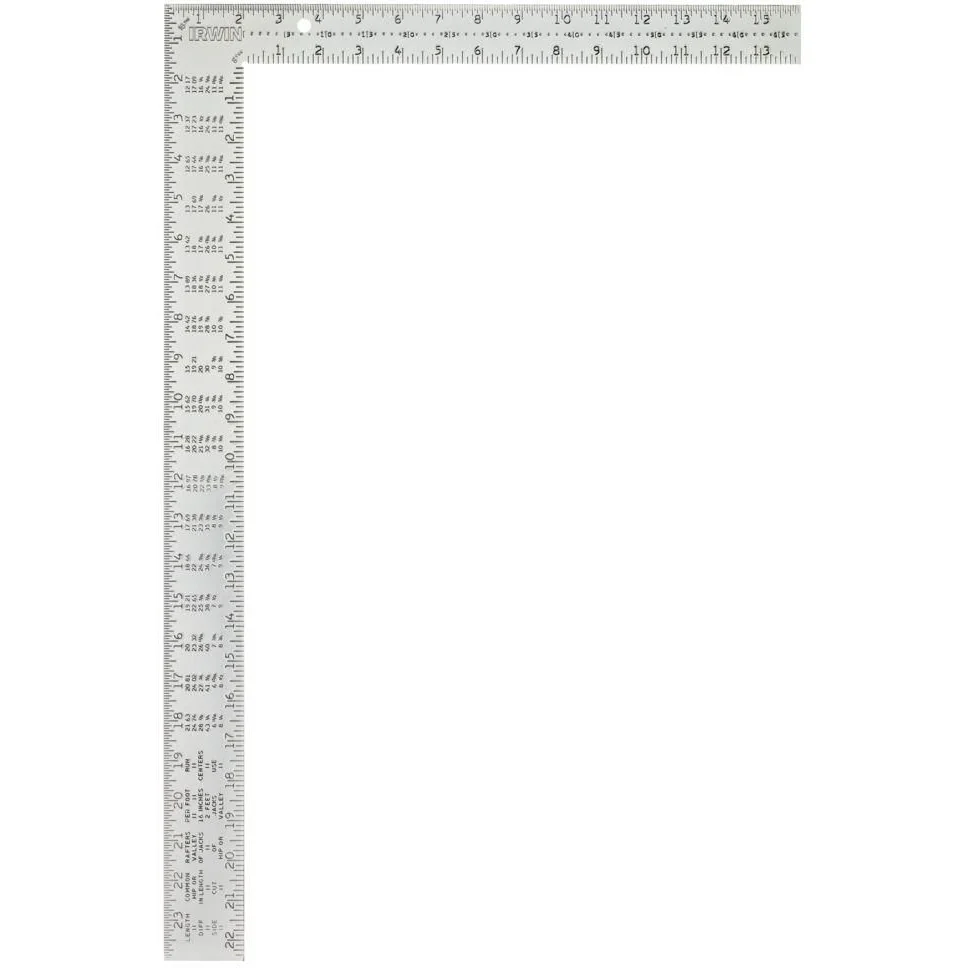
Framing Square (w/ Rafter Table)
A must-have for layout and measurement in framing, this large L-shaped square includes a built-in rafter table for roof and stair calculations.
Key Features
· Typically 24” x 16” steel or aluminum body
· Rafter and brace tables stamped on blade
· Etched or embossed measurement markings
· Resistant to warping and rust
Buying Tips
· Etched markings last longer than printed ones.
· Go for thicker stock for durability and better weight.
· Rafter tables vary. Choose a layout that’s easy to read.
Buying Tips
$15 – $40
Tool Type
Hand Tool
What Our Experts Say
“Double-check angles and never eyeball your cuts when laying out rafters.”
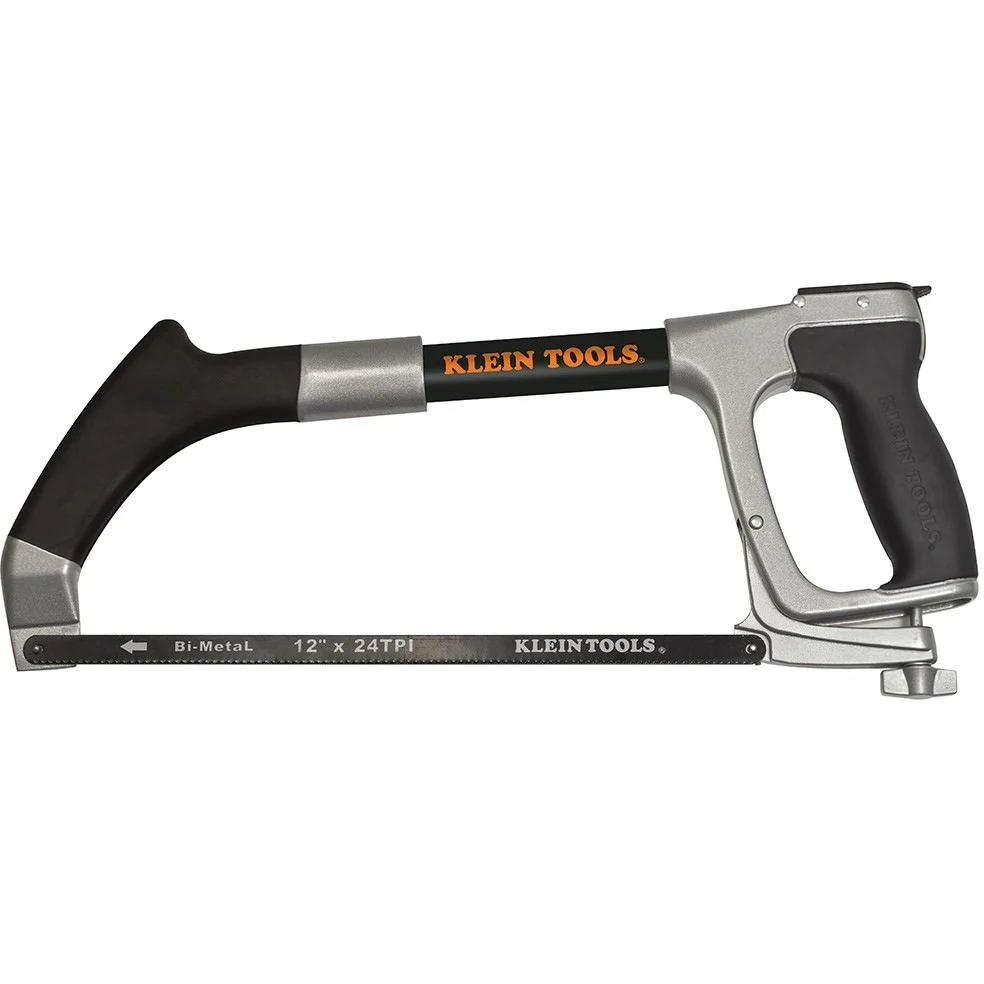
Hack Saw (Straight Claw, 16 or 20 oz.)
A hack saw paired with a claw hammer offers a mix of cutting and nail-driving power for light metal, PVC, and framing needs.
Key Features
· Hardened steel blade for fine metal cuts
· Adjustable tension frame
· Claw hammer option for pulling and prying
· Comfortable grip handles
Buying Tips
· Look for replaceable blades with 18–24 TPI for general work.
· Choose a hammer weight (16 or 20 oz.) based on your comfort and use.
· Prioritize tools with steel frames for durability.
Buying Tips
$10 – $30
Tool Type
Cutting Tool
What Our Experts Say
“Steady, even strokes beat brute force every time.”
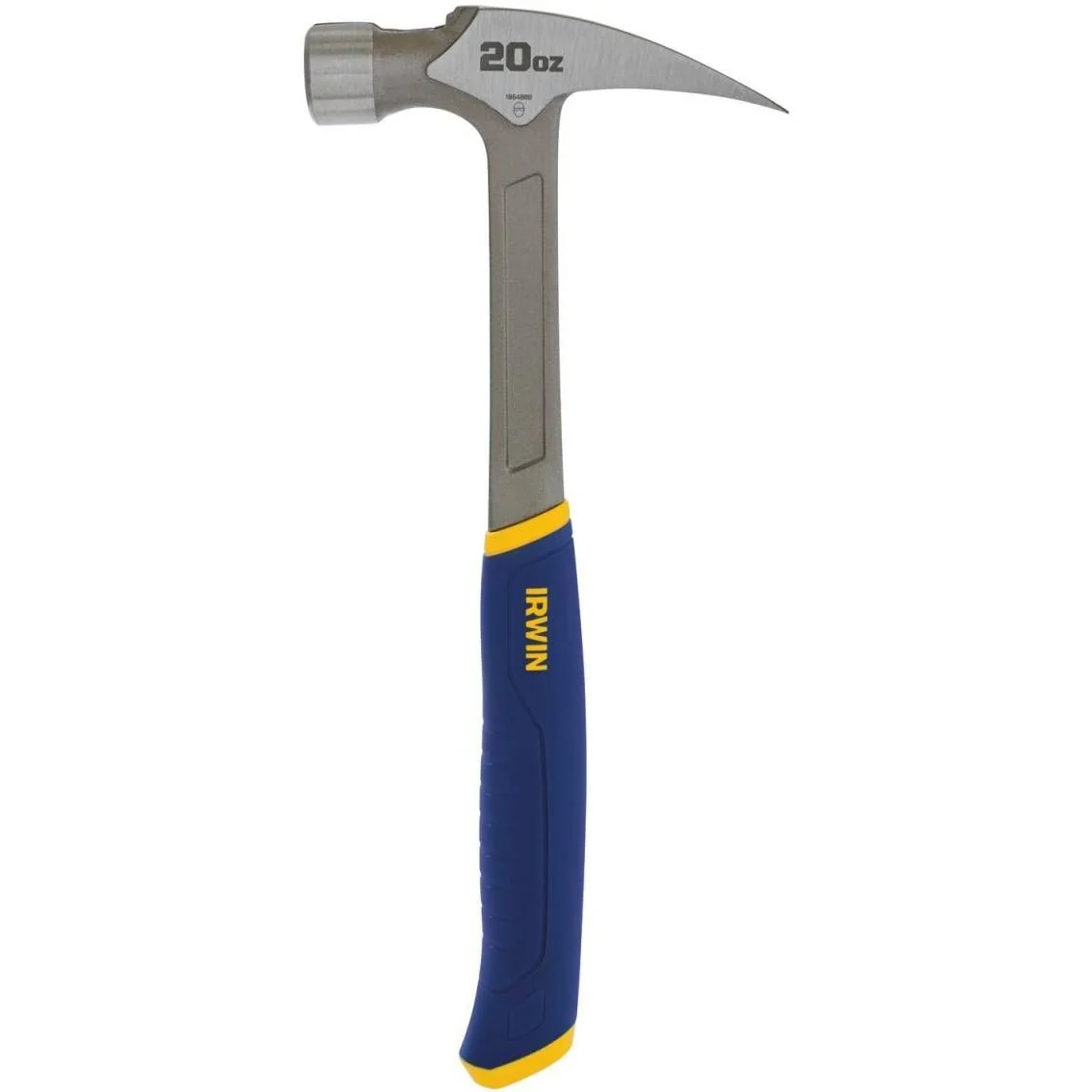
Hammer (24" or 30")
These long-handled hammers provide greater striking power and reach, used for framing, demolition, and driving large nails fast.
Key Features
· Extended handle for leverage
· Heavy head (typically 28–32 oz.)
· Magnetic nail starter
· Rip or straight claw for demo
Buying Tips
· Fiberglass or hickory handles reduce vibration.
· Test for balance; longer doesn’t always mean better if it’s unbalanced.
· Look for textured grips to prevent slipping.
Buying Tips
$30 – $70
Tool Type
Striking/Demo Tool
What Our Experts Say
“Pick the right weight for the job, a big hammer won’t make it easier if your control suffers.”
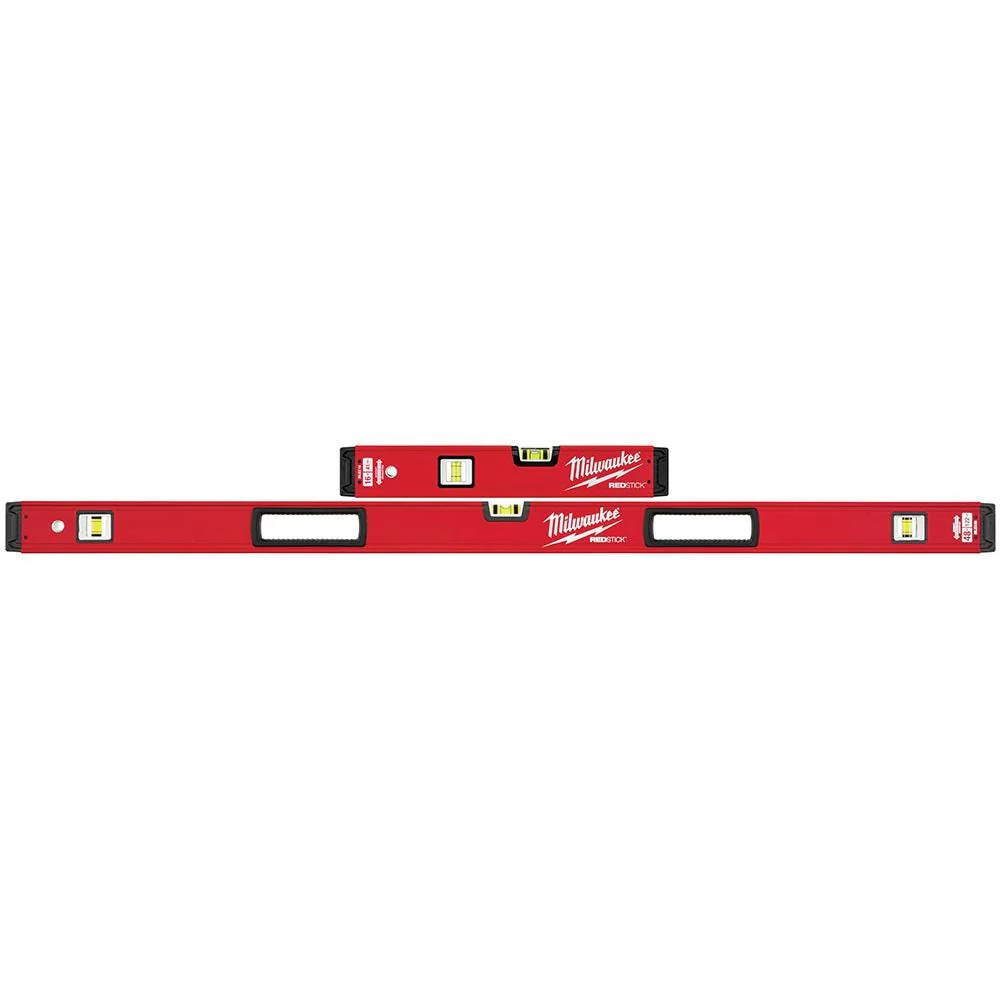
Level (straight)
Essential for layout and installs, a straight level ensures accurate horizontal or vertical lines in framing, cabinetry, masonry, and trim work.
Key Features
· Durable aluminum or box beam construction
· Bubble vials for horizontal, vertical, and 45°
· Shock-absorbing end caps
· Magnetic edge (optional)
Buying Tips
· Look for levels at least 24"–48" for framing.
· Choose box beam levels for better accuracy and toughness.
· Inspect vial accuracy before buying.
Buying Tips
$30 – $90
Tool Type
Measuring / Alignment Tool
What Our Experts Say
“Always check both ways, especially on longer spans.”
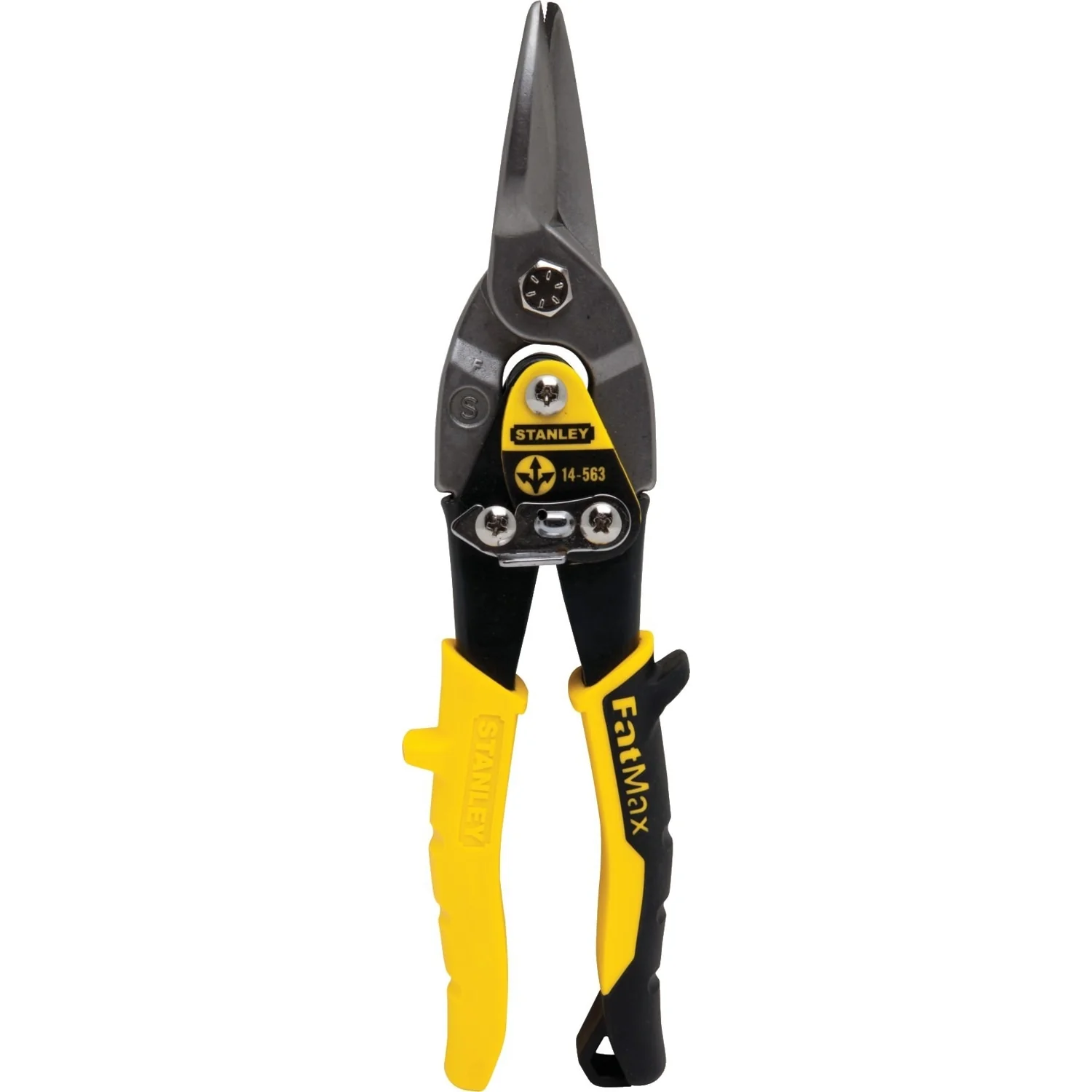
Metal Snips (straight)
Used to cut sheet metal, flashing, and other light-gauge materials. Straight snips are ideal for long, clean cuts in tight spaces.
Key Features
· Compound action for better leverage
· Forged steel blades
· Molded grips with safety latch
· Labeled for straight vs. left/right cut
Buying Tips
· Buy forged, not cast, snips; they’ll hold an edge longer.
· Choose brightly colored grips for quick identification.
· Replace when cuts become jagged or require more force.
Buying Tips
$15 – $35
Tool Type
Sheet Metal Cutting Tool
What Our Experts Say
“Keep fingers away from the cutting edge and trim in small, controlled sections.”
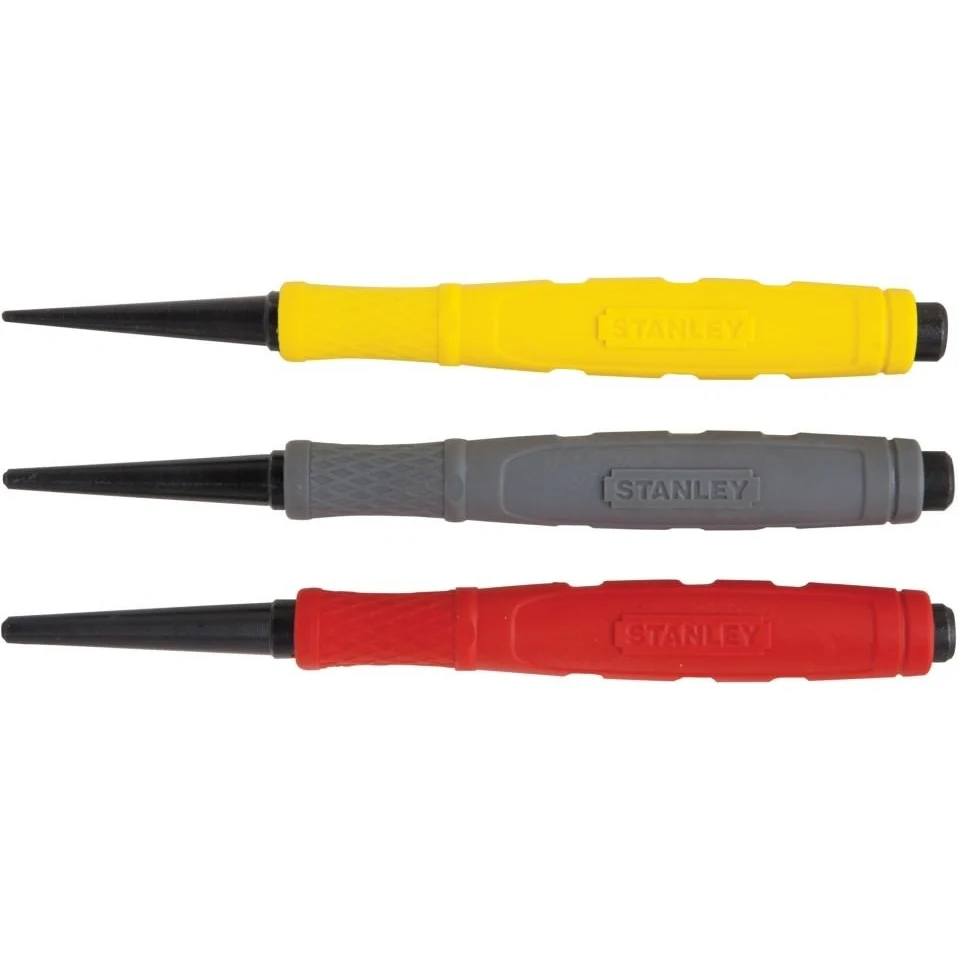
Nail Set Kit (1/32, 2/32, 3/32)
Nail sets allow you to countersink finish nails without damaging surrounding surfaces, ideal for trim, cabinetry, and finish work.
Key Features
· Hardened steel tips
· Various sizes for different nail heads
· Knurled body for grip
· Some include color-coded ends
Buying Tips
· Get a set with all three sizes to handle most jobs.
· Choose steel that resists mushrooming over time.
· Look for magnetic or spring-loaded options for easier control.
Buying Tips
$8 – $20
Tool Type
Finishing Tool
What Our Experts Say
“Choose the set size that matches your nail; too big and you damage the wood.”
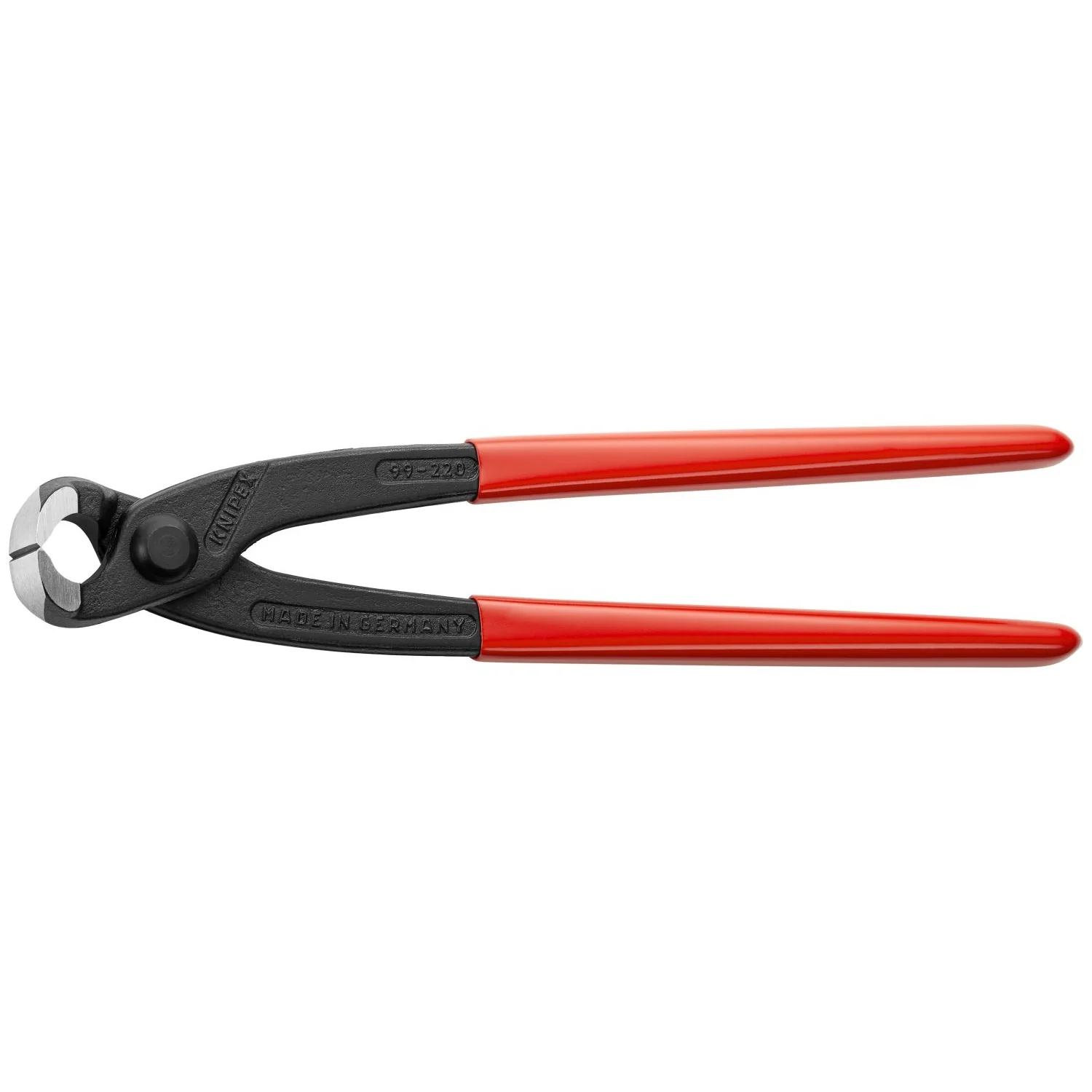
Nippers
Designed to make clean cuts close to surfaces or into tight spots. It’s used in hobby work, electrical/fastener tasks, tiling and general trades where flush trimming or controlled cuts are needed.
Key Features
· Hardened for durability and consistent performance
· Compact design to reach tight areas and trim close to surfaces
· Comfortable handle grip to reduce hand fatigue during repeated use
Buying Tips
· Choose larger nippers for heavy work and smaller ones for fine tasks.
· Check the pivot joint and cutting jaws for minimal play for better precision and longevity.
· Ensure the handle is comfortable and fits your hand well.
· Consider premium models for better durability and flush-cut capabilities.
Buying Tips
$18 – $45
Tool Type
Hand Tool
What Our Experts Say
“Snap small cuts fast, but don’t twist or you’ll weaken the metal.”
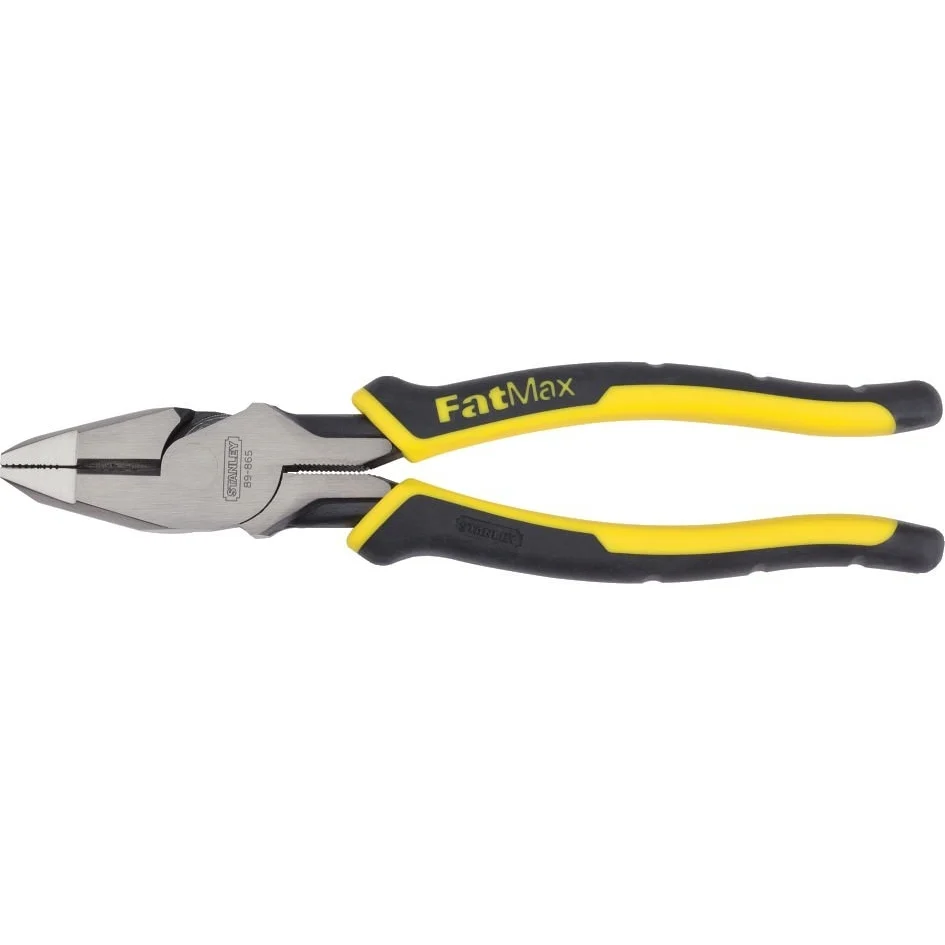
Pliers (Lineman) Offset pivot
For wire, nails, or gripping tasks.
Key Features
· High-leverage design
· Crimping area
· Machined jaw faces are ideal for gripping and twisting wire
Buying Tips
· Choose heat-treated jaws.
· Comfort grip reduces fatigue.
· Lineman pliers offer more versatility overall.
Buying Tips
$15 – $45
Tool Type
Gripping Tool
What Our Experts Say
“Use the pivot advantage for grip and cut; don’t just squeeze harder.”
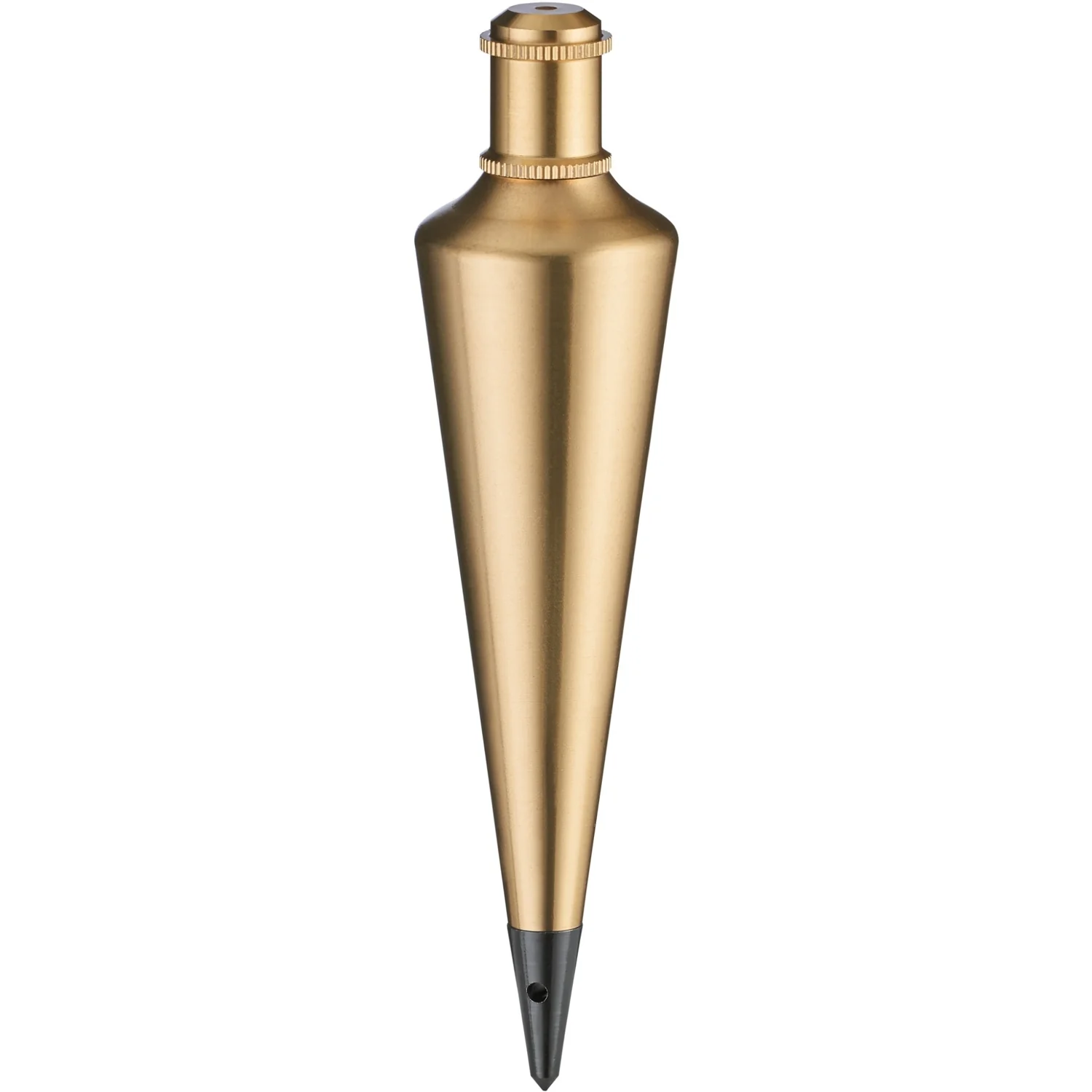
Plumb Bob & Horseshoe Magnet
A gravity-based tool for creating vertical reference lines, often used in framing and door installs.
Key Features
· Steel or brass weight
· String reel or magnet mount
· Stable, pointed tip
Buying Tips
· Heavier bobs resist wind movement.
· Horseshoe magnets make setup faster.
· Look for a storage case to protect the tip.
Buying Tips
$10 – $40
Tool Type
Alignment / Layout Tool
What Our Experts Say
“Line up carefully, gravity does the work; check magnet strength before hauling.”
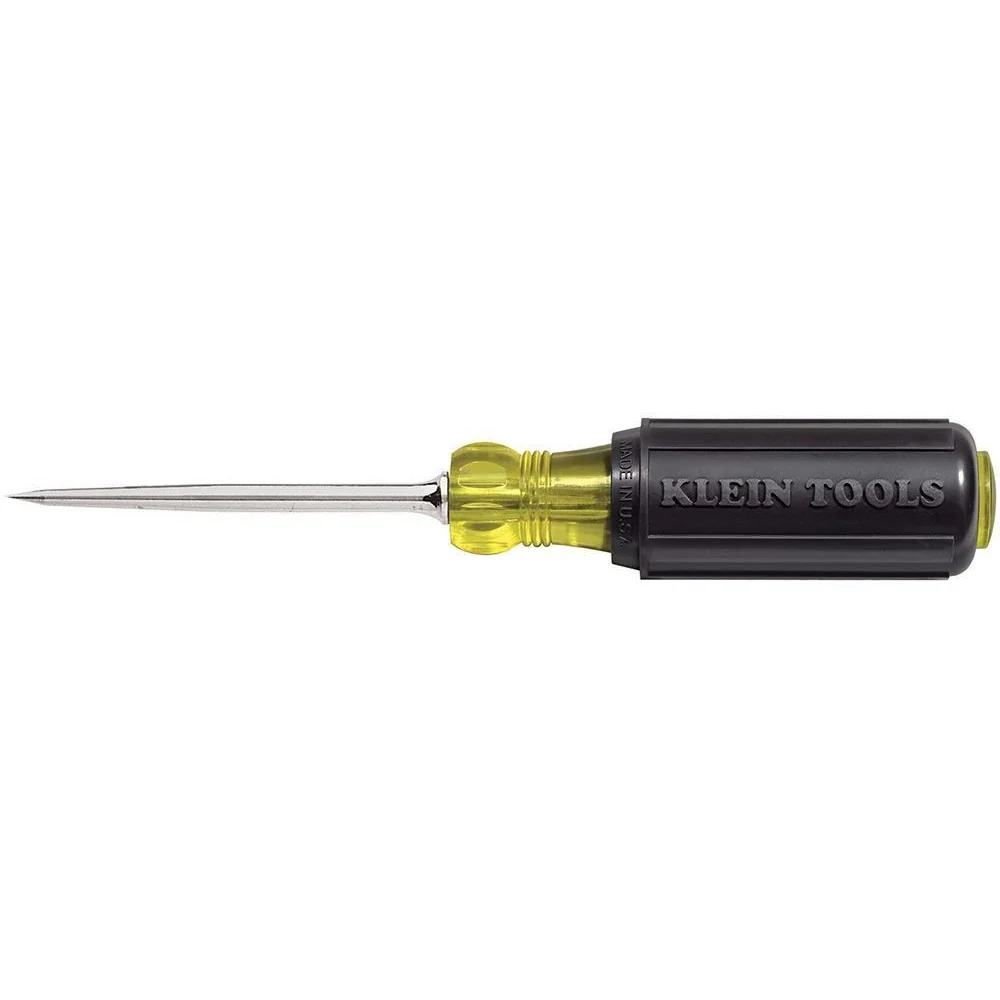
Scratch Awl
For marking points on wood and soft materials before drilling or cutting.
Key Features
· Hardened steel point
· Ergonomic handle
· One-piece construction
Buying Tips
· Choose a non-slip handle for precision.
· Sharp tip should resist bending.
· Avoid cheap plastic models.
Buying Tips
$5 – $15
Tool Type
Marking Tool
What Our Experts Say
“Mark lightly, it’s easier to deepen lines than fix a gouge.”
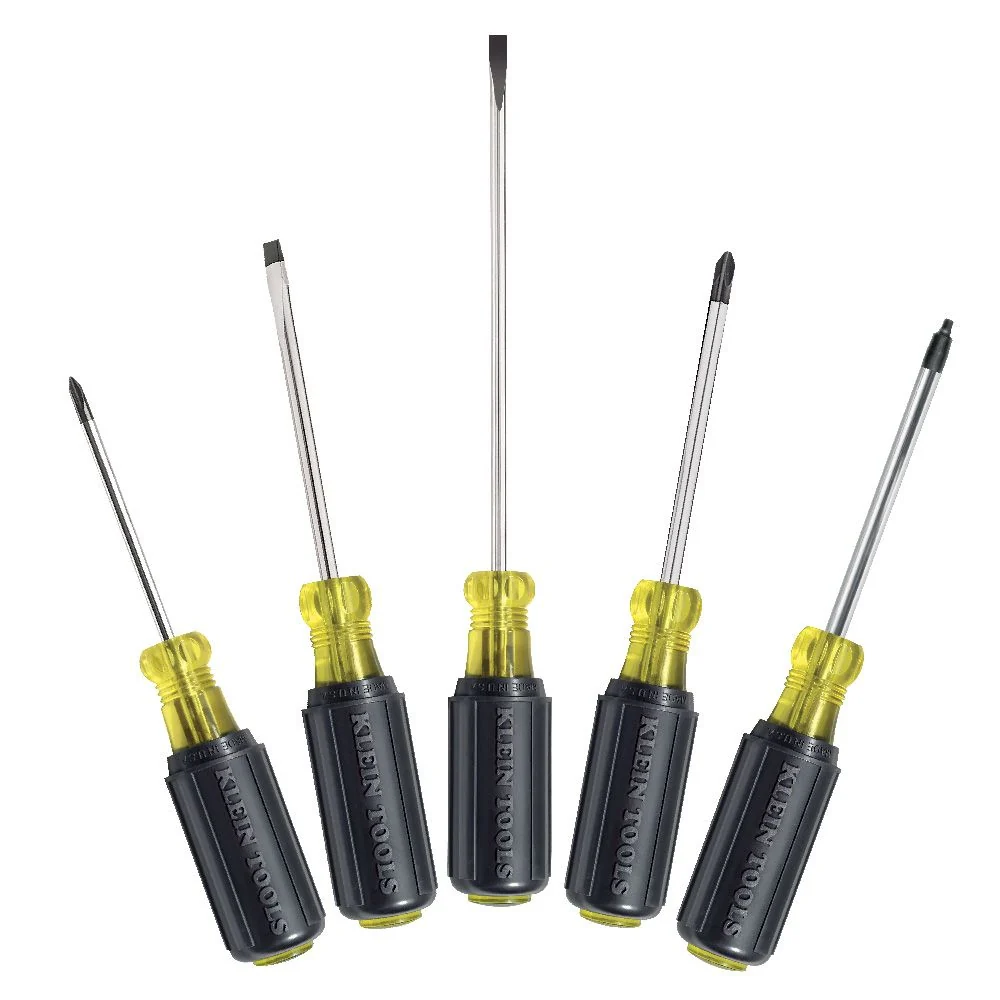
Screwdriver Set or 4-in-1
Versatile for fasteners in framing, hardware, or fixtures. For assembling, adjusting, or disassembling fasteners.
Key Features
· Flat, Phillips, and specialty tips
· Magnetic tips
· Non-slip grips
Buying Tips
· A 4-in-1 model saves space and weight.
· Hardened tips resist stripping.
· Choose insulated if working near wiring.
Buying Tips
$10 – $40
Tool Type
Hand Tool
What Our Experts Say
“Right tip for the screw, not the size of your hand, keeps heads from stripping.”
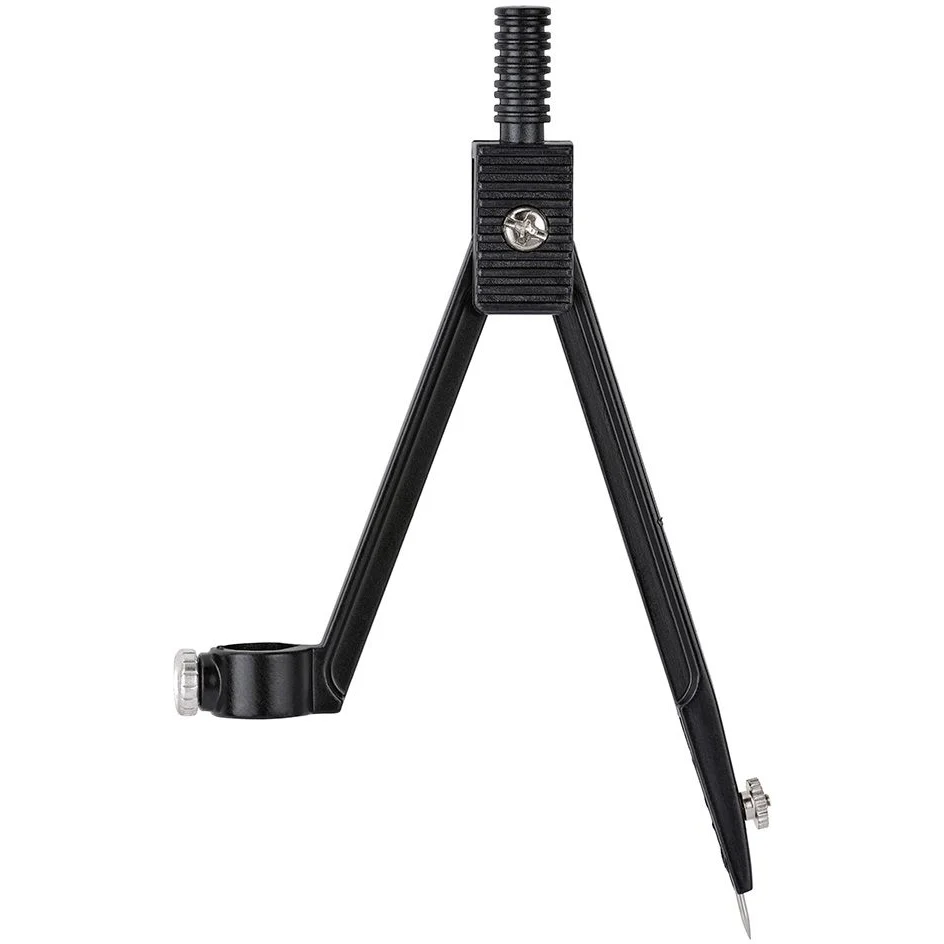
Scribe/Compass
Marks arcs, circles, and layout lines, especially on trim or flooring.
Key Features
· Hardened point
· Adjustable arm
· Lockable pivot
Buying Tips
· Look for a compass with fine adjustment knob.
· Keep the point sharp for clean marks.
· Durable construction prevents drift during layout.
Buying Tips
$10 – $35
Tool Type
Marking / Layout Tool
What Our Experts Say
“Keep the point sharp and steady; messy lines waste time and material.”
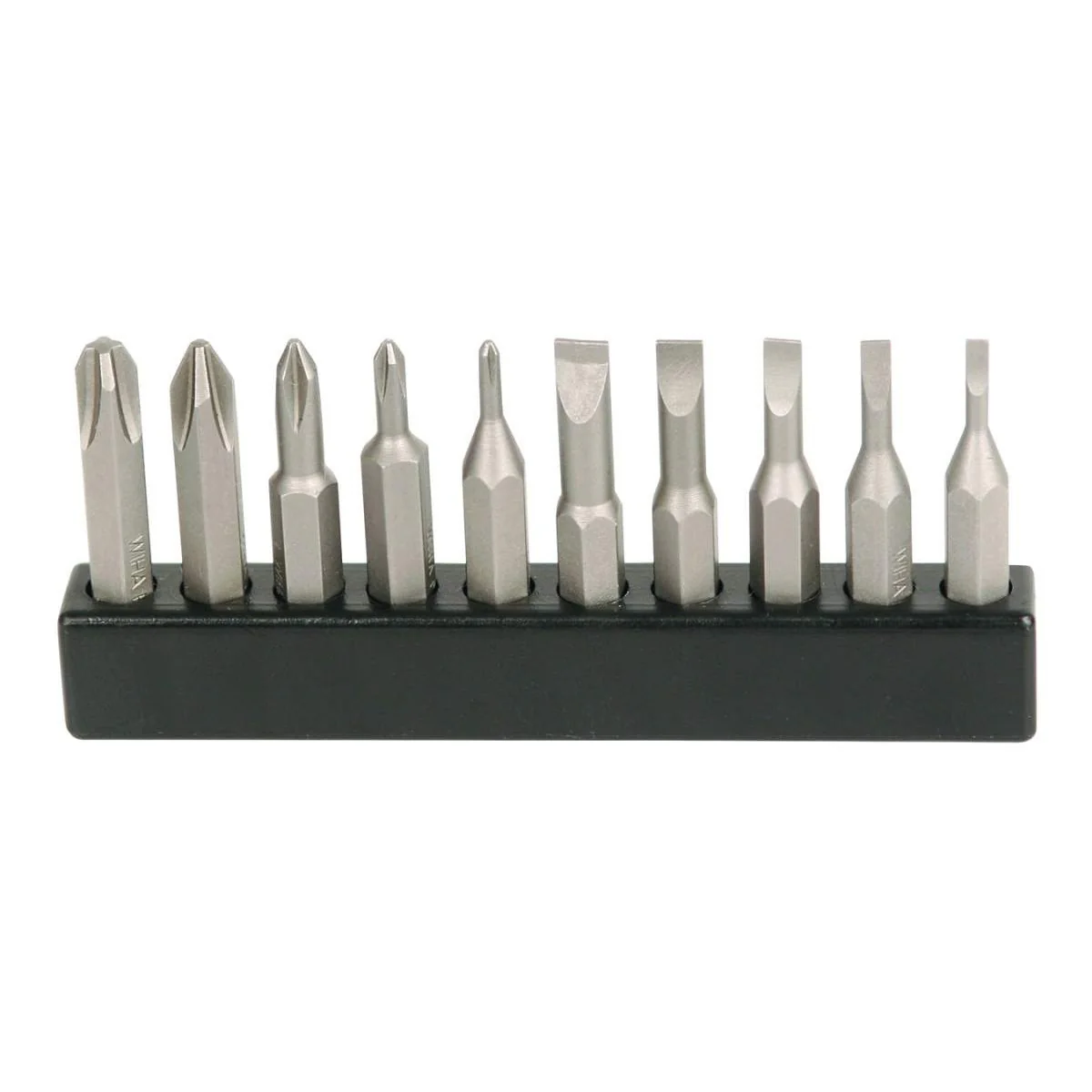
Slotted & Phillips
These drivers allow you to turn screws with either a flat slot or a cross-shaped recess. Slotted drivers work the single groove screws; Phillips drivers engage a cross‐shaped screw head.
Key Features
· Flat blade tip, wide compatibility for simple applications
· Cross-shaped tip, better engagement and torque than flat alone
· Clearly marked sizes to match screw heads
Buying Tips
· Driver tip must fully seat in screw head to avoid slipping or damage.
· For frequent use pick higher quality (better tip material, grip comfort).
· If you’ll work on many screws, get both types (slotted + Phillips) in a set.
Buying Tips
$5 – $60
Tool Type
Driver Bits Tool
What Our Experts Say
“Mix them carefully, don’t force a Phillips into a slotted screw.”
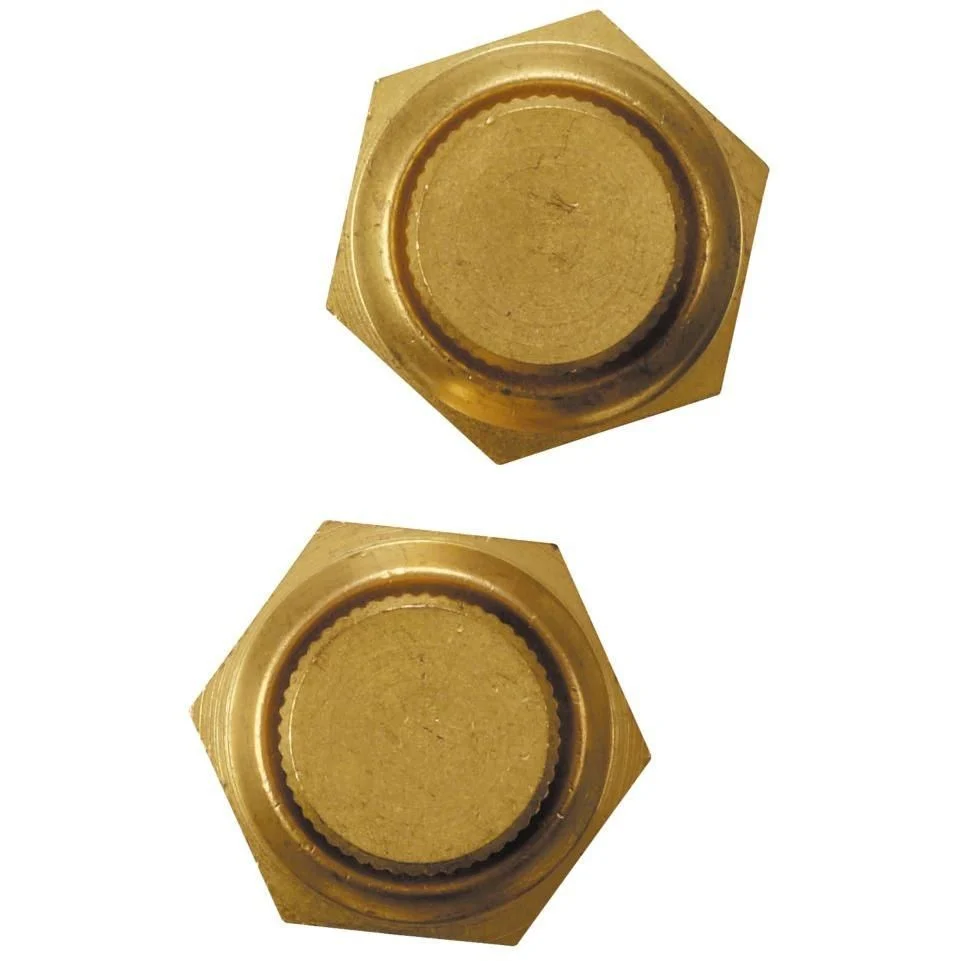
Stair Button/Gauges
Helps quickly transfer and repeat stair tread/riser measurements.
Key Features
· Clamps to framing square
· Adjustable arms or stops
· Durable steel or aluminum
Buying Tips
· Must fit securely. Avoid loose clamps.
· Ideal with a matching framing square.
· Speeds up complex stair layouts.
Buying Tips
$20 – $55
Tool Type
Measuring / Layout Tool
What Our Experts Say
“Snap it tight every time for consistent riser spacing.”
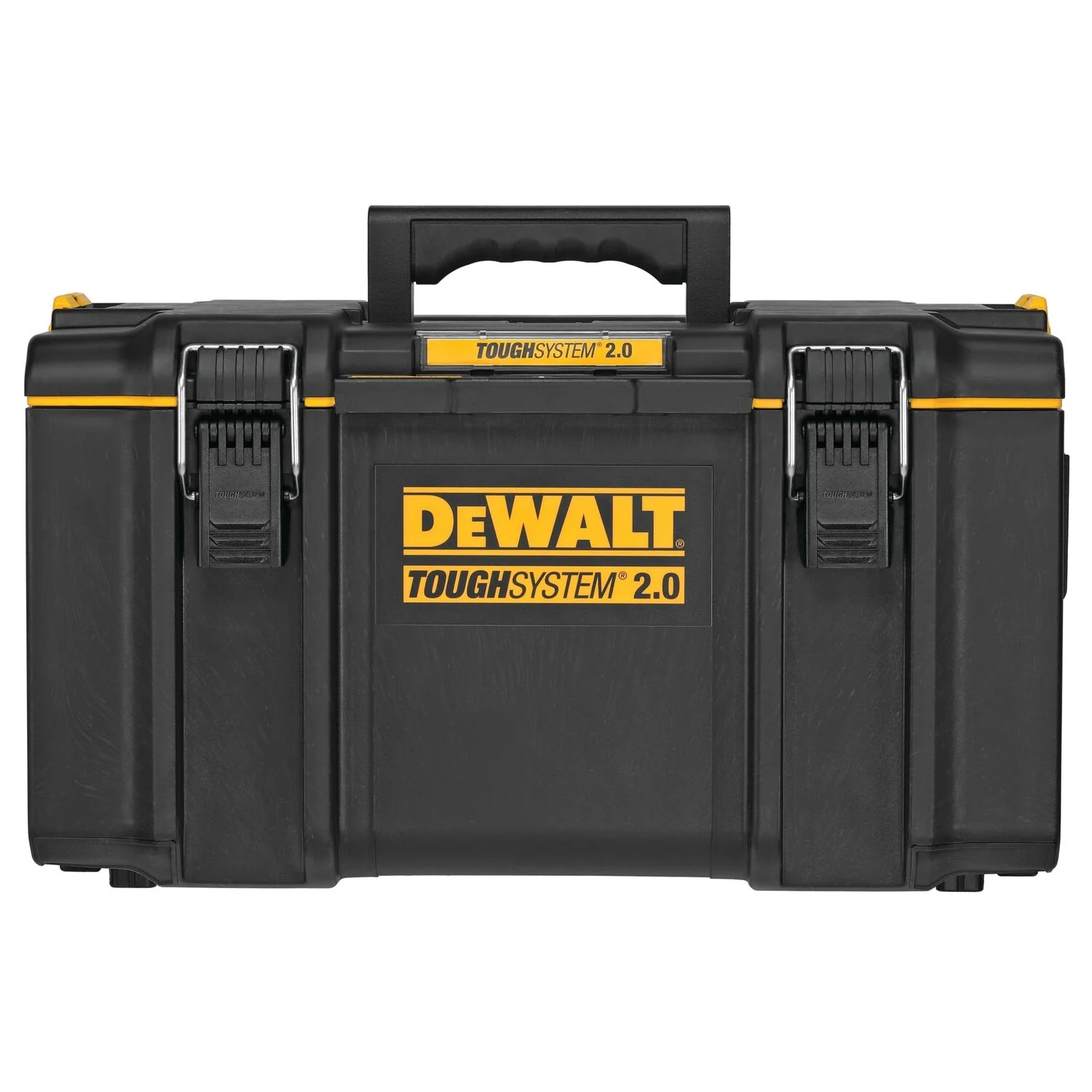
Toolbox (30”+)
Keeps your growing kit protected and mobile. Stores and protects your tools off-site or in transit.
Key Features
· Heavy-duty latches and handle
· Removable tray or compartments
· Steel or tough plastic construction
Buying Tips
· Look for lockable boxes for security.
· Choose a size that fits your growing set.
· Wheels and handles add portability.
Buying Tips
$50 – $200
Tool Type
Tool Storage
What Our Experts Say
“Organize by type, not just size; saves hunting for that one tool in a crunch.”
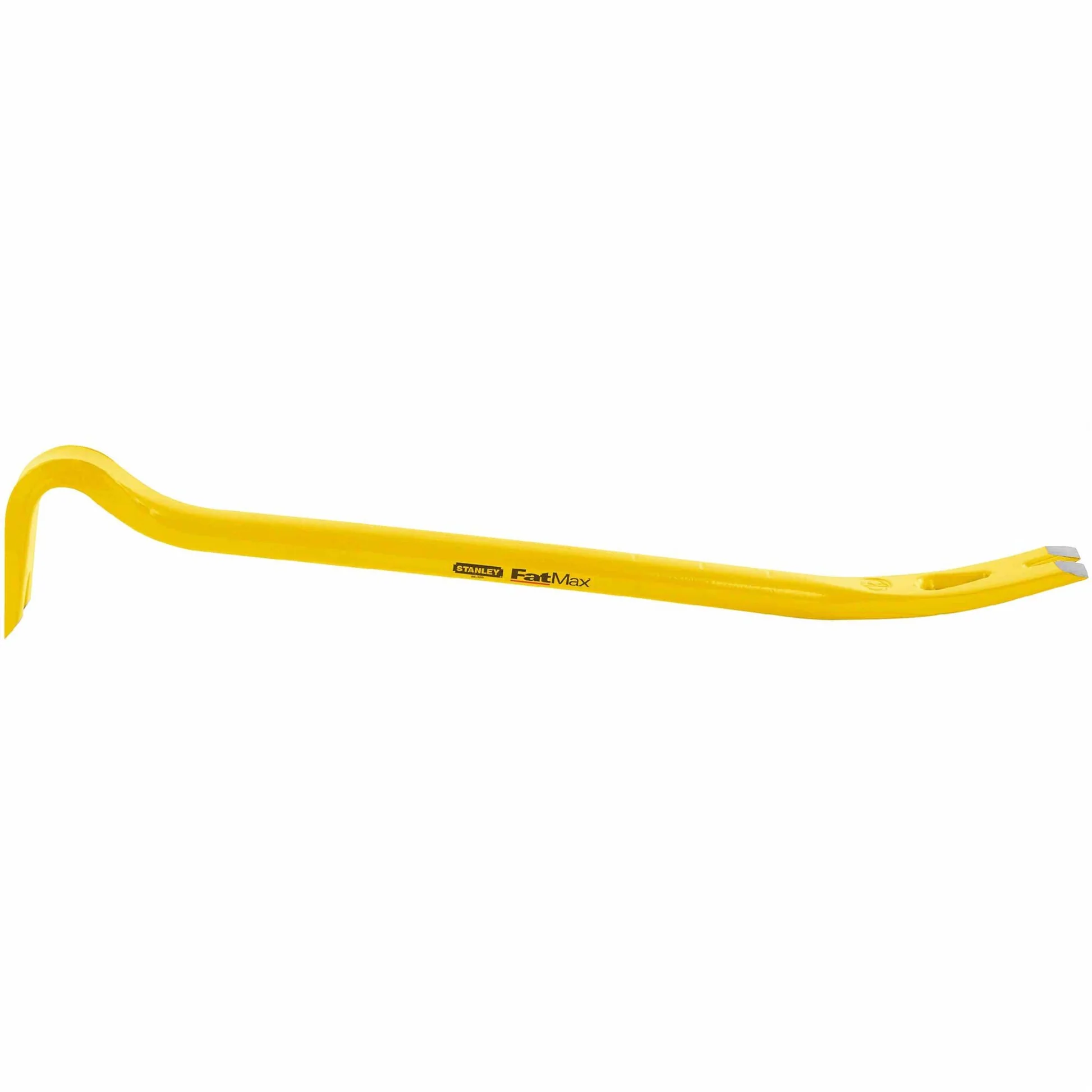
Wrecking Bar
Used for heavy demolition, nail pulling, and lifting framing.
Key Features
· Forged steel with bevelled ends
· Nail-pulling slots
· Curved or straight styles
Buying Tips
· Choose a 24"–36" bar for leverage.
· Thinner tips get into tight spots.
· Look for a powder-coated finish to resist rust.
Buying Tips
$15 – $45
Tool Type
Demolition Tool
What Our Experts Say
“Let the leverage do the work, not brute force; a controlled pull beats a busted wrist.”